
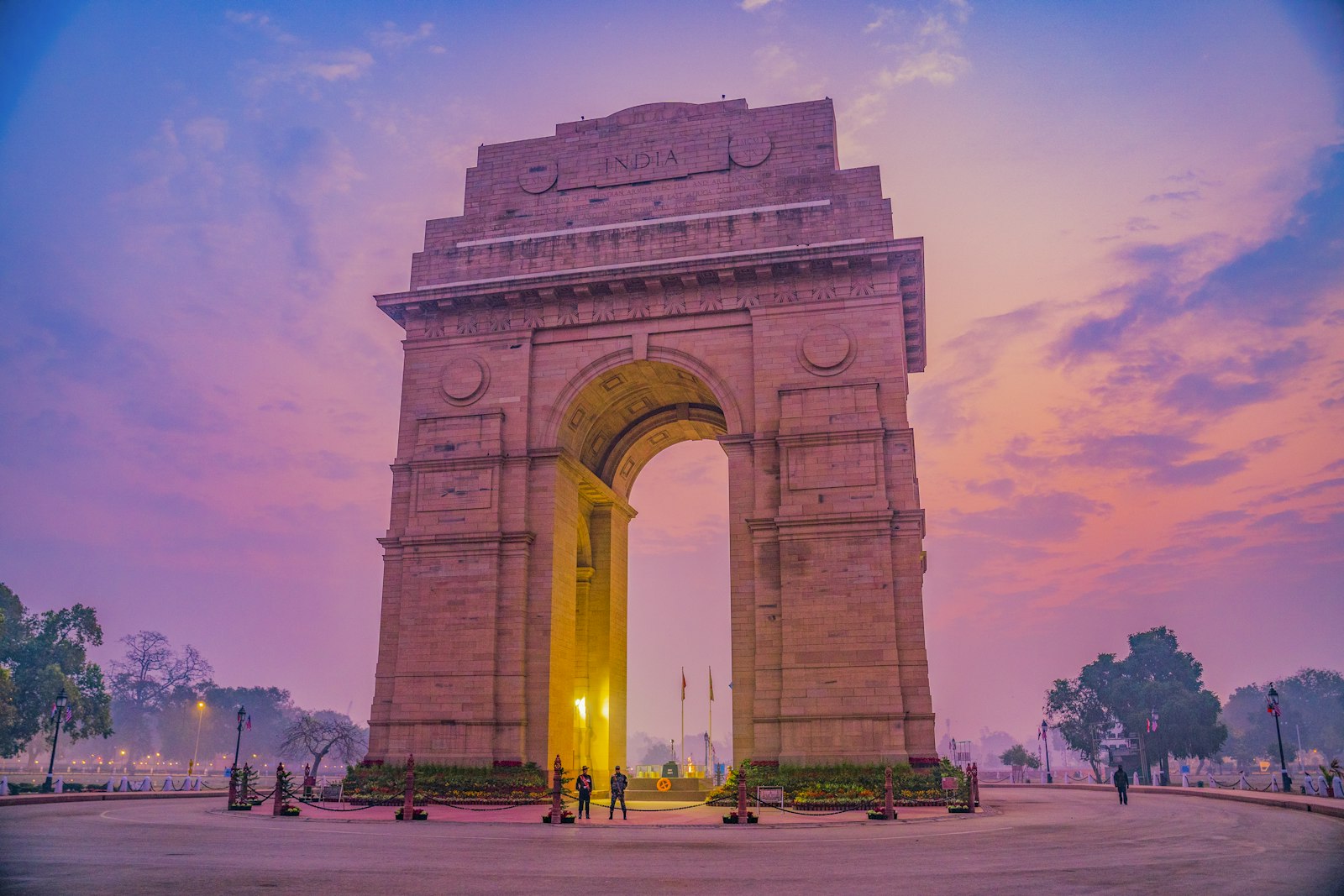
Canadian passport holders can once again apply for India’s electronic visa, but the past few years have been bumpy. The e-Visa was suspended for Canadians during the pandemic and restored in December 2022, then suspended again in September 2023 during the diplomatic dispute between Ottawa and New Delhi, and restored for tourists and business travellers in late November 2023. Rules can change quickly, so check travel.gc.ca before you go and confirm eligibility on India’s official portal on the day you apply.
This guide covers the e-Visa types, how long each one lasts, what you need to upload, and how to avoid the copycat websites that target Canadians searching for an “India visa online”.
Can Canadians get an India e-Visa in 2026?
Yes. Canada is on the list of eligible countries for India’s e-Visa scheme, and the High Commission of India in Ottawa continues to direct applicants to the official online system. The e-Visa is issued as an Electronic Travel Authorization (ETA): you apply online, receive approval by email, and the visa itself is stamped into your passport on arrival in India after your biometrics are captured at the immigration counter.
A few groups cannot use the e-Visa. Holders of diplomatic or official passports, travel documents other than a regular passport, and people endorsed on a parent’s or spouse’s passport must apply through the regular route. Applicants of Pakistani origin, or holding a Pakistani passport, are directed to apply for a regular visa at an Indian mission. If any of this applies to you, contact the High Commission in Ottawa or the consulates in Toronto or Vancouver well ahead of your trip.
India e-Visa types and validity
India offers five e-Visa categories: e-Tourist, e-Business, e-Medical, e-Medical Attendant and e-Conference. Most Canadian holidaymakers need the e-Tourist visa, which comes in three lengths.
| e-Tourist option | Validity | Entries | When to apply |
|---|---|---|---|
| 30 days | 30 days from your first arrival | Double entry | At least 4 days and no more than 30 days before arrival |
| 1 year | 365 days from the date the ETA is granted | Multiple entry | At least 4 days and up to 120 days before arrival |
| 5 years | 5 years from the date the ETA is granted | Multiple entry | At least 4 days and up to 120 days before arrival |
On the 1-year and 5-year e-Tourist visas, Canadian nationals are among the few nationalities allowed to stay up to 180 days per visit; most other nationalities are limited to 90 days. Note how the clock works on the 30-day visa: it runs from the day you first land, not from the day it was approved, which makes it a good fit for a single two- to four-week trip.
Whatever type you hold, the e-Visa is non-extendable and non-convertible. You cannot switch it to a work or student visa once in India, and it is not valid for Protected, Restricted or Cantonment Areas, which require separate permits.
Which one should you choose?
- One trip of under a month: the 30-day e-Tourist visa is the simplest choice.
- A longer stay, or a trip that hops out to Nepal, Sri Lanka or the Maldives and back: the 1-year visa gives multiple entries.
- Frequent visits to family in India: the 5-year visa saves you from reapplying every trip.
- Meetings, trade fairs or client visits: apply for the e-Business visa rather than the tourist category.
How to apply on the official site
Apply only through the Government of India portal at indianvisaonline.gov.in, in the e-Visa section. Indian missions state clearly that no intermediary or travel agent is needed. The process takes place entirely online:
- Start the application on the official portal, choose Canada as your nationality and select the visa type. Note your temporary application ID in case you need to resume later.
- Fill in personal, passport and travel details exactly as they appear in your passport. Mismatched names or dates are a common reason for delays.
- Upload your photo and passport page (see the document checklist below).
- Pay the processing fee online. The fee is country-specific, so read the amount shown for Canadian nationals on the portal at the time you apply. A bank transaction charge is added on top.
- Track your status on the same portal and print or save the ETA when it is granted. Carry a copy when you fly.
The fee covers processing and is non-refundable, whether the ETA is granted, rejected or your trip is cancelled. There is nothing else to pay at the airport on arrival.
Documents and photo requirements
- Passport: a regular Canadian passport valid for at least six months, with at least two blank pages for the immigration stamps.
- Photo: a recent, front-facing colour photograph on a plain white background. Blurry or cropped photos are a leading cause of rejection.
- Passport scan: a clear copy of the photo (biographical) page.
- Extra documents for some categories: a business card or invitation letter for e-Business, a letter from the Indian hospital for e-Medical, and an event invitation for e-Conference.
- Yellow fever card: needed only if you are travelling from or through a country affected by yellow fever. Travellers without one can be quarantined.
New since October 2025: the e-Arrival Card
Since 1 October 2025, all foreign nationals, including e-Visa holders and OCI cardholders, are expected to submit a digital arrival card within 72 hours before landing in India. It can be filed through the Indian Visa Online portal, the Bureau of Immigration portal or the Indian Visa Su-Swagatam mobile app. Paper disembarkation cards were kept as a fallback during the transition, but filling the form online before you board in Toronto, Montreal or Vancouver saves time in the arrivals hall.
Scams and fake e-Visa websites
Search results for “India e-Visa Canada” are crowded with commercial sites that look official, charge several times the government fee and sometimes never submit your application at all. The High Commission of India in Ottawa has issued advisories about fraudulent e-Visa websites and about scam phone calls impersonating Indian officials.
- The only official address is indianvisaonline.gov.in. Look for the .gov.in domain before entering any data.
- Ignore sites promising “express” or “guaranteed” approval for an extra fee.
- Never share passport scans or card details with unofficial sites, social media accounts or callers.
- Indian officials will not phone you to demand payment to fix a visa problem.
Where to stay
Your e-Visa application asks for your first address in India, so have at least your first night booked. For a first trip, these areas work well:
- Delhi, Aerocity: next to the international airport, handy after a long-haul arrival from Canada.
- Delhi, Connaught Place and central New Delhi: good metro links and close to major sights.
- Mumbai, Colaba and Fort: historic South Mumbai, walkable and close to the waterfront.
- Mumbai, Bandra: lively cafés and restaurants, and closer to the airport than South Mumbai.
Practical tips before you fly
- Apply at least a week or two ahead even though the minimum is four days, especially around Diwali and the December holiday peak.
- Make sure the passport you travel with is the one on your ETA. If you renew your passport, check the High Commission guidance on e-Visas granted on a different passport.
- Register your trip with the Government of Canada’s Registration of Canadians Abroad service and read the current advisory for India.
- Buy travel health insurance; provincial plans cover little or nothing abroad.
Ready to compare prices? Check hotels and flights for your dates on Expedia.
Bottom line
Canadians can apply for India’s e-Visa in 2026, with 30-day, 1-year and 5-year tourist options and a generous 180-day stay per visit on the longer visas. Apply only on indianvisaonline.gov.in, upload a clean photo and passport scan, file the e-Arrival Card within 72 hours of landing, and check travel.gc.ca before you go, because India’s visa rules for Canadians have shifted more than once in recent years.
Frequently asked questions
Can Canadian citizens apply for an India e-Visa right now?
Yes. India restored e-Visa services for Canadian tourists and business travellers in late November 2023 after a two-month suspension. Canada remains on the eligible list, but rules can change, so confirm on indianvisaonline.gov.in and check travel.gc.ca before you go.
How long can Canadians stay in India on an e-Tourist visa?
The 30-day e-Tourist visa is valid 30 days from first arrival with double entry. On the 1-year and 5-year e-Tourist visas, Canadian nationals can stay up to 180 days per visit with multiple entries, longer than the 90 days allowed for most other nationalities.
How far in advance should I apply for the India e-Visa?
Apply at least four days before arrival. The 30-day visa can be requested up to 30 days before travel, and the 1-year and 5-year visas up to 120 days ahead. Applying one to two weeks early leaves time to fix photo or passport upload problems.
Do I need anything else besides the e-Visa to enter India?
You need a passport valid for six months with two blank pages, your printed ETA, and since October 2025 an e-Arrival Card filed online within 72 hours before landing. A yellow fever card is needed only if you travel from or through an affected country.
Related guides
- Bali from Canada: Visa on Arrival, Areas and Tips
- Flights from Canada to India: Routes, Airlines and Tips
- India Golden Triangle Itinerary: Delhi, Agra and Jaipur
- Hotel booking mistakes that cost you money
Entry rules, prices and schedules change often. Always check travel.gc.ca and official sources before you go. Sources: FAQs on e-Visa – High Commission of India, e-Visa – Consulate General of India, San Francisco, High Commission of India, Ottawa, Tourism and business e-visa services restored for Canadian nationals – BAL, India introduces e-Arrival Card – KPMG GMS Flash Alert 2025-206.
Find hotels in Delhi
Search hotels and flights for your dates and book securely on Expedia.
Booking Hotel may earn a commission from Expedia at no extra cost to you. Learn more.
