
Morocco is one of the most rewarding trips you can take from Canada, and from Montreal it is surprisingly close. In less than seven hours you can swap a Quebec winter for orange trees, rooftop terraces and the call to prayer drifting over a medina. This Morocco from Canada travel guide covers entry rules for Canadian passport holders, flights from Montreal, the best cities to visit, where to stay in each one, a 7 to 10 day itinerary, and the cash, dress and safety tips that make the trip smoother.
Entry rules for Canadians
According to the Government of Canada’s travel advice for Morocco, Canadians do not need a visa for tourist, business or student stays of less than 90 days. Your passport must be valid for at least six months beyond the date you plan to leave Morocco, and airlines may apply stricter rules of their own, so check the expiry date before you book.
If you want to stay longer than 90 days, you need authorization. Travel.gc.ca says to apply to the Service to Foreigners Section at the local police station at least 15 days before your 90 days run out. Overstaying can lead to detention and a fine. Note that drones are confiscated on arrival. Rules can change, so check travel.gc.ca before you go and confirm with a Moroccan diplomatic office if your situation is unusual.
Flights from Canada to Morocco
Royal Air Maroc offers direct flights between Montreal-Trudeau (YUL) and Casablanca Mohammed V (CMN). Its Canadian site describes several weekly frequencies and a flight time of about 6 hours 40 minutes over roughly 5,700 km, which makes Montreal the natural gateway for most Canadians. Royal Air Maroc also lists flights from Toronto to Casablanca, while travellers from Vancouver or Calgary will usually connect through Montreal, Toronto or a European hub.
Casablanca is Royal Air Maroc’s hub, so it is easy to connect onward to Marrakech, Fes and other Moroccan cities. A practical approach is to fly into Casablanca, travel overland through the country, and either fly home from Casablanca or connect there from another Moroccan airport.
Best time to visit Morocco
Spring and autumn are the classic seasons for a first trip. Days are warm enough for the coast and comfortable for walking the medinas. Summer brings intense heat inland, especially in Marrakech, Fes and the desert, while the Atlantic coast stays fresher. Winter is mild on the coast and sunny in Marrakech, but nights are cold, many riads are not heated as well as Canadian homes, and the High Atlas can see snow.
Also check the Islamic calendar. Ramadan shifts by roughly 11 days each year, and travel.gc.ca notes that it is expected to begin on or around February 7, 2027. Travelling during Ramadan is entirely possible and can be memorable, with lively evenings after sunset, but daytime hours are quieter and some restaurants close or change their hours.
Best cities to visit
- Marrakech: the most popular starting point, with Jemaa el-Fna square, busy souks, gardens and easy day trips to the Atlas Mountains.
- Fes: the old medina, Fes el-Bali, is a vast car-free maze of workshops, tanneries and historic schools. It feels more traditional and less polished than Marrakech.
- Casablanca: a modern business city and your likely arrival point. The Hassan II Mosque on the ocean is the highlight, and one night is enough for most visitors.
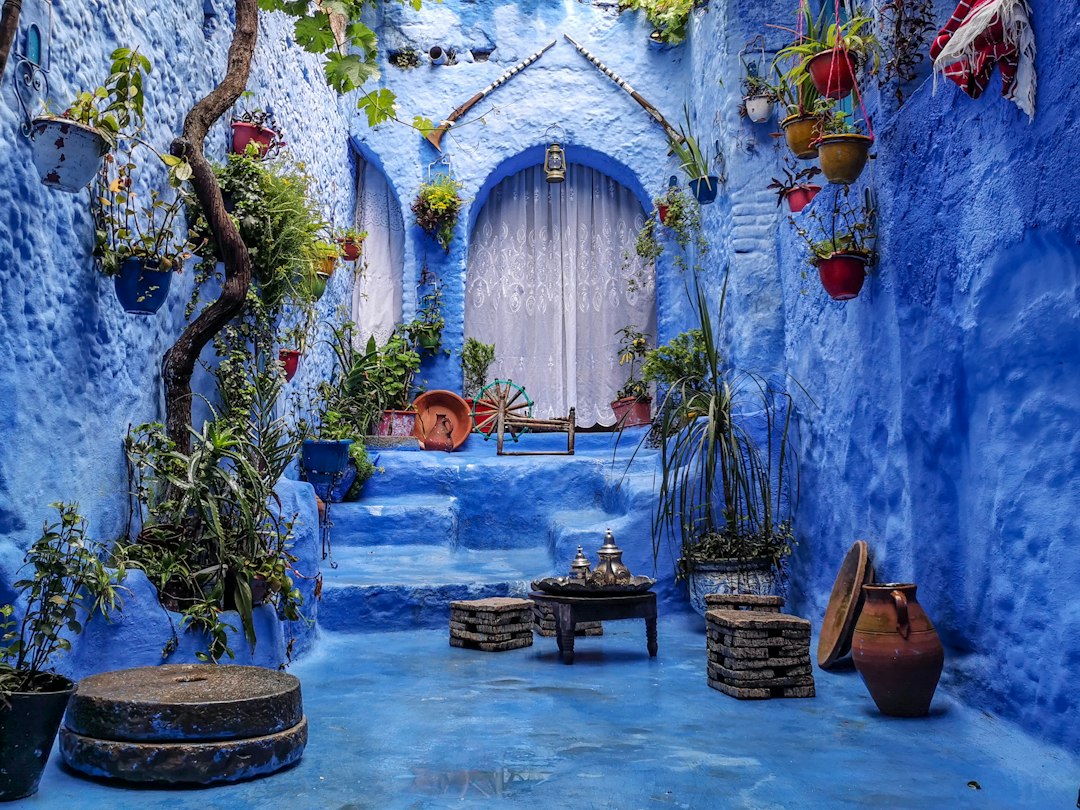
- Chefchaouen: the famous blue-washed town in the Rif Mountains, calm and very photogenic, with hiking nearby.
- Essaouira: a breezy, walled port town on the Atlantic, slower paced, with seafood, art galleries and wind for kitesurfing.
Where to stay in Morocco
The big decision in each city is riad or hotel, and medina or new town. A riad is a traditional house built around an inner courtyard, often converted into a small guesthouse with only a few rooms, a rooftop terrace and breakfast included. Staying in one puts you inside the old city and is a highlight for many travellers. The trade-offs are narrow alleys that cars cannot enter, steep stairs, and rooms that can be noisy or dim. Hotels in the newer districts, often called the ville nouvelle, offer elevators, parking, pools and easier taxi access, but less character.
| City | Area | Best for |
|---|---|---|
| Marrakech | Medina (near Jemaa el-Fna or the Mouassine area) | Riads, walking to souks and sights, first-timers who want atmosphere |
| Marrakech | Gueliz and Hivernage | Modern hotels, pools, restaurants, quieter nights and easier taxis |
| Fes | Fes el-Bali (medina) | Riads in historic houses, full immersion in the old city |
| Fes | Ville nouvelle | Larger hotels, parking, close to the train station |
| Casablanca | Corniche and Ain Diab | Ocean views, near the Hassan II Mosque, seaside restaurants |
| Casablanca | City centre near Casa-Port or Casa-Voyageurs stations | Short stays, train connections and business travel |
| Chefchaouen | Medina | Small riads and guesthouses among the blue streets |
| Essaouira | Medina | Riads close to the port, ramparts and beach |
When you book a medina riad, ask how far it is from the nearest point a taxi can reach, and whether staff can meet you there. Arriving after dark in a maze of unmarked lanes is stressful without help.
7 to 10 day Morocco itinerary
This route works well for a first trip starting from a Montreal flight into Casablanca. Trim the desert days for a seven-day version, or add more time in Essaouira to slow down.
| Days | Base | Highlights |
|---|---|---|
| Day 1 | Casablanca | Arrive from YUL, rest, visit the Hassan II Mosque and the Corniche |
| Days 2 to 3 | Chefchaouen | Travel north, wander the blue medina, short hike for sunset views |
| Days 4 to 5 | Fes | Guided medina tour, tanneries, artisan quarters, food tasting |
| Days 6 to 7 | Desert route | Optional overland trip toward the Sahara dunes with a night in a desert camp |
| Days 8 to 9 | Marrakech | Souks, gardens, Jemaa el-Fna at night, hammam, Atlas day trip |
| Day 10 | Essaouira or return | Coastal day in Essaouira, or travel back to Casablanca for your flight |
Money and cash
Morocco’s currency is the dirham (MAD), and it works differently from what most Canadians are used to. Travel.gc.ca states that dirhams cannot be exchanged outside Morocco and that taking them out of the country is illegal. Exchange only what you need. You can convert unused dirhams at the exchange counter in the departure airport if you show proof of your original currency purchase, so keep your receipts.
Cards are accepted in some urban stores, restaurants and major hotels, but cash is still essential in souks, small cafés, taxis and riads. Card and ATM fraud is common, so use ATMs inside banks or in busy public places, cover the keypad, and check your statements. Bring small notes for tips, and agree on taxi fares or use the meter before you set off.
Dress, culture and Ramadan tips
- Dress conservatively: travel.gc.ca advises modest clothing. Covering shoulders and knees is a good rule in medinas and rural areas, and a light scarf is useful for both women and men.
- Keep affection private: public displays of affection should be avoided.
- Alcohol: drinking is prohibited outside licensed bars, hotels and restaurants.
- During Ramadan: do not eat, drink or smoke in public between sunrise and sunset. Expect shorter business hours and festive evenings.
- Photos: ask before photographing people, and never photograph military or security sites.
- The monarchy: avoid criticizing it, in person or online.
- 2SLGBTQI+ travellers: same-sex sexual acts are illegal in Morocco, and the Canadian government advises carefully considering the risks.
Safety in Morocco
The Government of Canada advises a high degree of caution across Morocco due to the threat of terrorism. It also advises against all travel to areas near the Berm militarized zone and within 20 km of the Algerian border, and against non-essential travel to Western Sahara. None of the cities in this guide fall in those zones.
For most visitors, the day-to-day concern is petty crime. Pickpocketing, bag snatching and scams are common in medinas, markets, parks and beaches. Keep valuables out of sight and do not resist if you are robbed. Solo women may face harassment and verbal abuse. In remote areas, stick to official tourist routes and hire recommended guides rather than hiking alone in the mountains. Buy travel insurance with medical coverage before you leave, since provincial health plans cover very little abroad.
Ready to compare prices? Check hotels and flights for your dates on Expedia.
Bottom line
Canadians can visit Morocco visa-free for less than 90 days with a passport valid six months past departure, and Royal Air Maroc’s direct Montreal to Casablanca flights make the trip easy from Quebec. Aim for spring or autumn, book at least one riad inside a medina, and combine Marrakech and Fes with a calmer stop such as Chefchaouen or Essaouira. Carry cash in dirhams but do not take any home, dress modestly, and check travel.gc.ca before you go.
Frequently asked questions
Do Canadians need a visa to visit Morocco?
No. According to travel.gc.ca, Canadians do not need a visa for tourist, business or student stays of less than 90 days. To stay longer, you must apply for authorization at the local police station at least 15 days before the 90-day limit. Check travel.gc.ca before you go.
How long must my passport be valid for Morocco?
The Government of Canada says your passport must be valid for at least six months beyond the date you expect to leave Morocco. Airlines may apply stricter rules, so check your passport’s expiry date before booking flights and renew it early if needed.
Is there a direct flight from Montreal to Morocco?
Yes. Royal Air Maroc operates direct flights between Montreal-Trudeau (YUL) and Casablanca Mohammed V (CMN), with several flights per week and a flight time of about 6 hours 40 minutes, according to the airline. Schedules vary by season, so check your dates.
Should I stay in a riad or a hotel in Marrakech?
A riad in the medina offers atmosphere, a courtyard and easy walks to the souks, but alleys are narrow and cars cannot reach the door. Hotels in Gueliz or Hivernage offer pools, elevators and easier taxi access. Many travellers split their stay between both.
Related guides
- How to Find Cheap Flights from Canada in 2026
- Where to Stay in Paris: Guide for Canadian Travellers
- Budget Travel Tips for Canadians: Spend Less on Every Trip
- Hotel booking mistakes that cost you money
Entry rules, prices and schedules change often. Always check travel.gc.ca and official sources before you go. Sources: Morocco travel advice – Travel.gc.ca, Vols de Montréal vers Casablanca – Royal Air Maroc.
Find hotels in Morocco
Search hotels and flights for your dates and book securely on Expedia.
Booking Hotel may earn a commission from Expedia at no extra cost to you. Learn more.
