
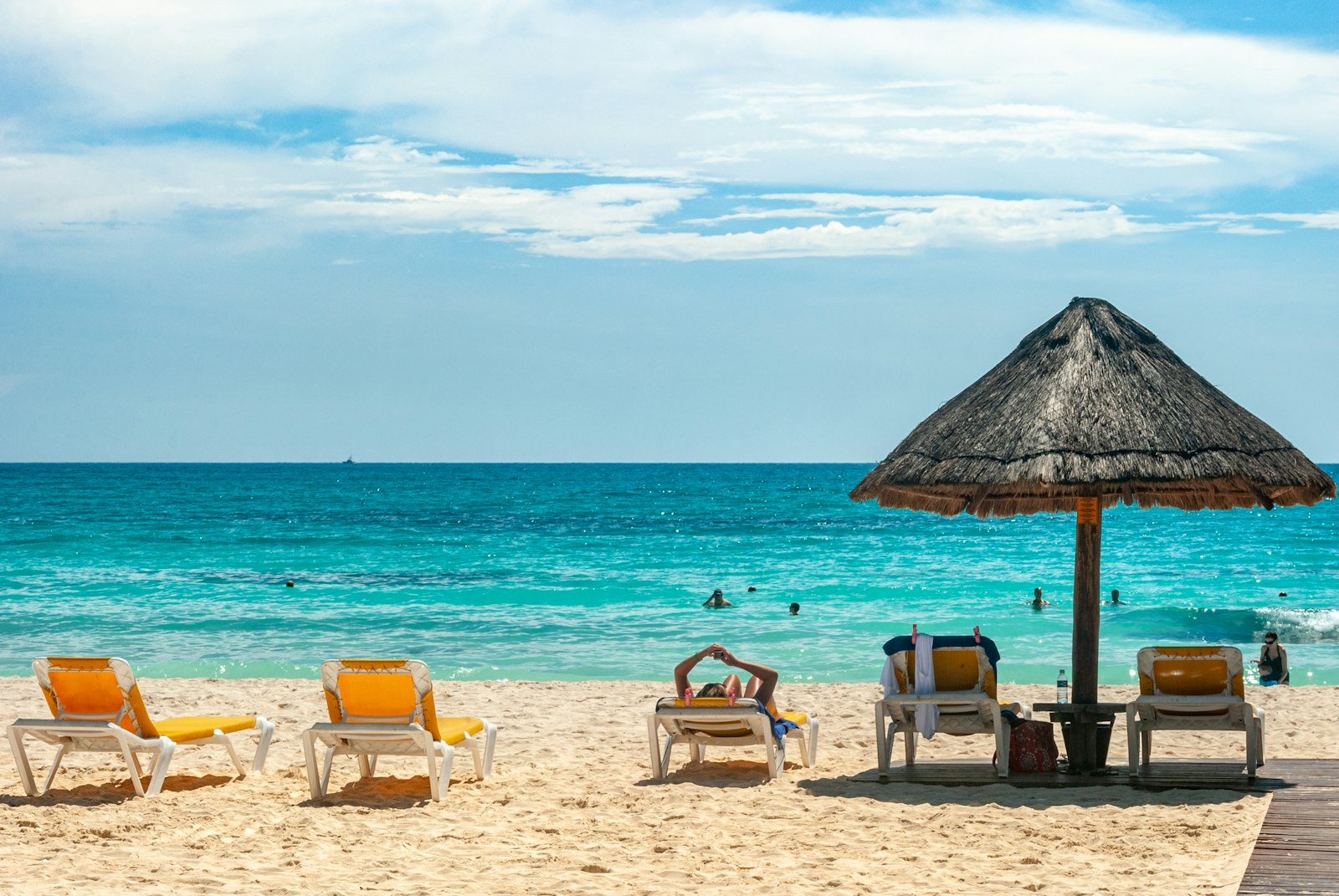
Cancún is one of the most popular winter sun destinations for Canadians, with seasonal nonstop flights from across the country and a huge choice of all-inclusive resorts. But “Cancún” can mean very different trips. The Hotel Zone gives you resort towers on the beach, downtown Cancún offers local life and lower-key hotels, and the Riviera Maya to the south trades the big-city strip for quieter towns, cenotes and Mayan ruins. This guide compares the main areas to stay, explains the entry basics for Canadians and helps you choose the right base.
Getting to Cancún from Canada
Cancún International Airport (CUN) is the main gateway. According to the official Mexican Caribbean tourism site, it has four terminals, is the country’s busiest international link and sits about 16 km from the Hotel Zone. Canadian airlines and tour operators run seasonal service from many cities. For example, Air Transat announced it will operate eight weekly peak-season flights between Quebec City and Cancún for winter 2026-2027, and it also serves Cancún from smaller airports such as London, Ontario and Charlottetown. Check your airline for current routes from YUL, YYZ, YVR or YYC.
If you are heading to Tulum or the southern Riviera Maya, the newer Tulum International Airport (TQO), opened in 2023, can be closer. The Maya Train also links destinations across Quintana Roo.
Entry basics for Canadians
According to the Embassy of Mexico in Canada, Canadian citizens do not need a visa to visit Mexico as tourists and can stay up to 180 days. Your passport must be valid on arrival and for your whole stay. You can complete the FMM (multiple migratory form) online in advance, or at the port of entry. Keep the stamped portion, since it proves your legal entry and you need it when you leave. Immigration officers make the final decision at the border. Rules change, so check travel.gc.ca before you go for the latest advice and safety information.
Where to stay
Here is how the main hotel areas in and around Cancún compare:
| Area | Best for | Vibe |
|---|---|---|
| Hotel Zone (north, near Punta Cancún) | Nightlife, first-timers, shopping | Busy, high-rise resorts, clubs and malls, calmer bay-side beaches |
| Hotel Zone (south, toward Punta Nizuc) | Families, couples, all-inclusive stays | Long Caribbean beaches, big resorts, quieter evenings |
| Downtown Cancún (Ciudad Cancún) | Budget travellers, independent explorers | Local, walkable core, traditional restaurants, no beach |
| Puerto Morelos | Quiet getaways, snorkellers | Small fishing town between Cancún and Playa del Carmen |
| Playa del Carmen | Walkers, couples, groups of friends | Lively pedestrian strip, beach clubs, ferries to Cozumel |
| Tulum | Ruins, cenotes, boutique stays | Laid-back, eco-chic, farther from CUN |
The Hotel Zone: beach and resorts
Cancún’s Hotel Zone (Zona Hotelera) sits on Isla Cancún, a sandy strip about 22 km long and shaped like a 7, according to Frommer’s. Bridges connect it to the mainland at both ends, and the Nichupté Lagoon lies between the island and the city. Its main road, Bulevar Kukulcán, is where nearly every resort is located, and addresses are given by kilometre marker.
The northern arm, near Punta Cancún, faces the calmer waters of Bahía de Mujeres and is closest to the clubs, restaurants and malls. It suits first-timers and groups who want nightlife within walking distance. The long eastern stretch facing the open Caribbean has the classic wide beaches and many large all-inclusive resorts, and it gets quieter as you head south toward Punta Nizuc. Families and couples often prefer this side. Swimming conditions on the open-sea beaches can change quickly, so always follow the beach flags.
Downtown Cancún: local and good value
Ciudad Cancún, the original downtown on the mainland, is where most residents live. Frommer’s describes it as having traditional restaurants, shops, less expensive hotels, pharmacies, banks and car-rental agencies, with a compact core that is easy to explore on foot. Avenida Tulum is its main street. Heading north, the road leads to Puerto Juárez, where ferries leave for Isla Mujeres.
Downtown is a smart choice if you want authentic food and a lower-cost base, and you do not mind taking a bus or taxi to the beach. It also works well as a first or last night before a road trip down the coast.
Riviera Maya: Puerto Morelos, Playa del Carmen and Tulum
The Riviera Maya runs south of Cancún along the coast. Puerto Morelos, the closest town, is a small, relaxed fishing village with a reef just offshore, popular with snorkellers and travellers who want a calmer stay near the airport. Playa del Carmen is a bigger, livelier town with a long pedestrian street lined with shops, bars and restaurants, plus ferries to Cozumel. Tulum, farther south, is known for its clifftop Mayan ruins, cenotes and boutique hotels along the beach road.
The Riviera Maya is ideal if you want to mix beach time with day trips to cenotes, ruins and eco-parks. The trade-off is a longer transfer from CUN, though Tulum’s airport can shorten the trip if your flight lands there.
Isla Mujeres: an island option
Isla Mujeres sits just off Cancún and is reached by ferry from Puerto Juárez, north of downtown. Many visitors go for a day trip, but staying a night or two gives you a slower, small-island feel with golf carts, beach bars and calm, shallow water on its northern beaches. It works best as an add-on to a Hotel Zone or downtown stay rather than as your only base.
Which area fits your trip?
- One-week all-inclusive with kids: the southern Hotel Zone or Puerto Morelos.
- Friends’ trip with nightlife: the northern Hotel Zone near Punta Cancún, or Playa del Carmen.
- Culture and day trips: Playa del Carmen or Tulum, close to cenotes and ruins.
- Budget and local food: downtown Cancún.
Best time to visit
| Period | What to expect | Booking tip |
|---|---|---|
| December to April | Dry season, peak demand from Canada, holidays and March break | Book flights and resorts early for school breaks |
| May to June | Hotter, fewer crowds | Often good shoulder-season availability |
| June to November | Atlantic hurricane season, heat and humidity, possible seaweed on some beaches | Consider travel insurance and flexible bookings |
Tips for Canadian travellers
- All-inclusive or not: The Hotel Zone and Riviera Maya are dominated by all-inclusive resorts. Downtown and Playa del Carmen are better if you want to eat out.
- Transfers: Compare the transfer time from the airport before you book. A cheaper resort far south can cost you half a day.
- Travel insurance: Buy out-of-country medical coverage, as your provincial health plan may cover little or nothing abroad.
- Currency: Many tourist businesses accept US dollars, but paying in Mexican pesos often gets a better rate.
- Registration: Sign up with the Registration of Canadians Abroad service so the Government of Canada can reach you in an emergency.
Ready to compare prices? Check hotels and flights for your dates on Expedia.
Bottom line
Stay in Cancún’s Hotel Zone if you want classic beach resorts: the north near Punta Cancún for nightlife, the south for quieter all-inclusive stays. Choose downtown Cancún for local food and better value, Puerto Morelos for calm, Playa del Carmen for a walkable town and Tulum for ruins and cenotes. Canadians do not need a visa for tourist stays, but check travel.gc.ca before you go.
Frequently asked questions
What is the best area to stay in Cancún?
For most visitors, the Hotel Zone is the best area, with beachfront resorts along a 22 km strip. The north end near Punta Cancún is best for nightlife and shopping, while the southern beaches are quieter and suit families and couples on all-inclusive stays.
Do Canadians need a visa for Cancún?
No. According to the Embassy of Mexico in Canada, Canadian citizens do not need a visa for tourist stays of up to 180 days. Your passport must be valid for your entire stay, and you need to complete the FMM migratory form. Check travel.gc.ca before you go.
Is it better to stay in Cancún or Playa del Carmen?
Choose Cancún’s Hotel Zone for big beach resorts, nightlife and a short airport transfer. Choose Playa del Carmen if you prefer a walkable town with shops, restaurants and beach clubs, plus easy ferries to Cozumel and day trips across the Riviera Maya.
When is the best time to visit Cancún from Canada?
December to April is the dry season and the most popular time for Canadians, especially during the holidays and March break, so book early. June to November is Atlantic hurricane season, with more heat and humidity. Travel insurance is a good idea year-round.
Related guides
Entry rules, prices and schedules change often. Always check travel.gc.ca and official sources before you go. Sources: Entry requirements – Embassy of Mexico in Canada, Transportation – Mexican Caribbean official tourism site, Cancún planning a trip – Frommer’s, Winter 2026-2027 news release – Air Transat.
Find hotels in Cancún
Search hotels and flights for your dates and book securely on Expedia.
Booking Hotel may earn a commission from Expedia at no extra cost to you. Learn more.
