
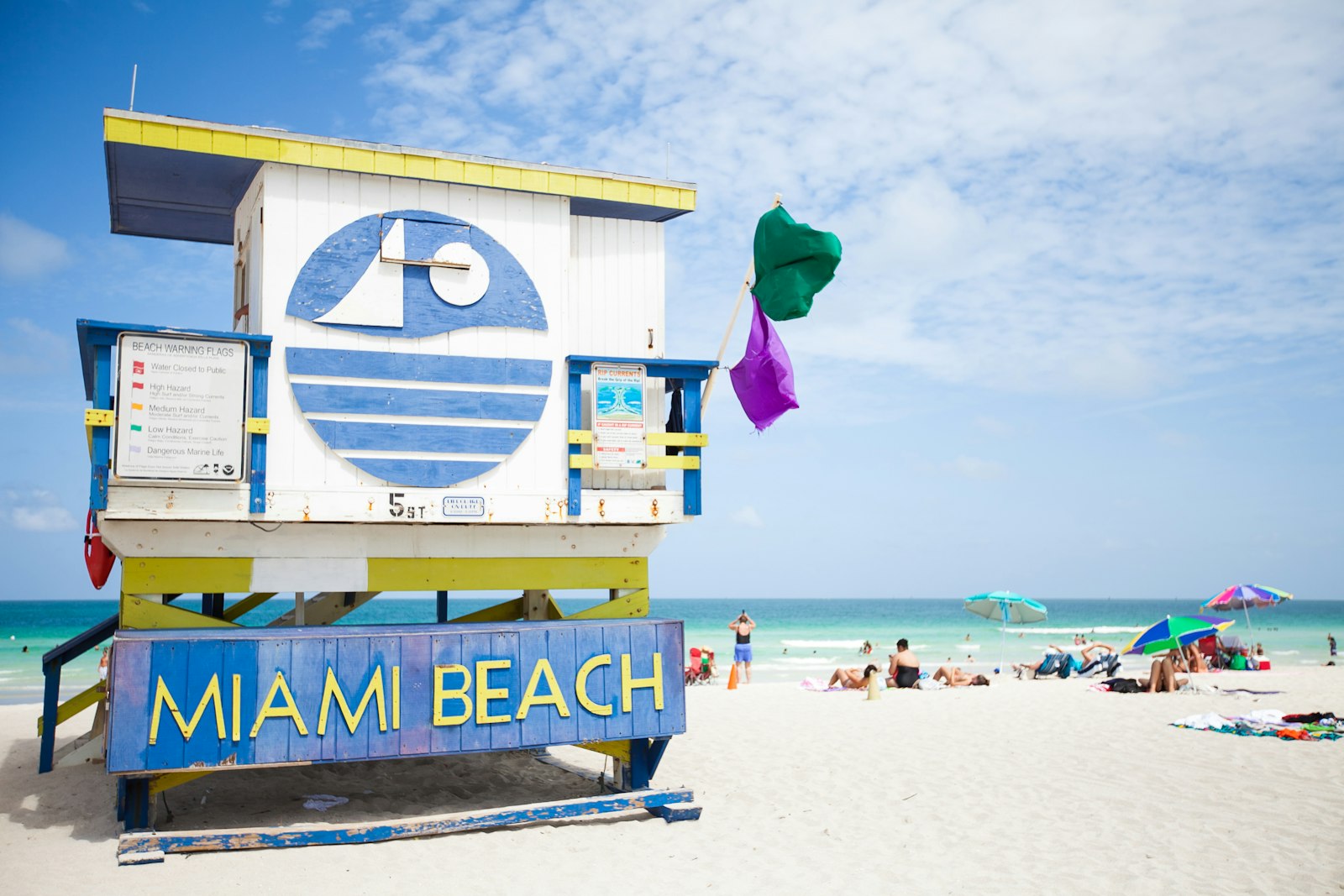
Miami is one of the most popular winter sun escapes for Canadians, and it packs a lot into one trip: Atlantic beaches, Art Deco architecture, Cuban food, street art, a big nightlife scene and easy access to the Florida Keys. The catch is that “Miami” covers two very different places. Miami Beach sits on a barrier island across Biscayne Bay, while the city of Miami, with Brickell, Downtown, Wynwood and Little Havana, is on the mainland. Choosing the right side, and the right neighbourhood, shapes the whole trip. Here is where to stay in Miami, with practical tips for travellers from Canada.
Getting to Miami from Canada
Most visitors fly into Miami International Airport (MIA), and some find better fares or connections through Fort Lauderdale-Hollywood International (FLL), farther north up the coast. Nonstop options and schedules from Toronto (YYZ), Montreal (YUL), Calgary (YYC) and Vancouver (YVR) change by season, so compare both airports for your dates. Snowbirds from Ontario and Quebec often drive down and spend the winter on the coast between Miami and Fort Lauderdale.
You do not need a car if you stay in South Beach or Brickell and plan to stick to those areas. If you want to explore Wynwood, Coral Gables, Key Biscayne or the Keys, a car or rideshare will save time.
Where to stay
Here is how Miami’s main areas compare for a hotel stay:
| Area | Best for | Vibe |
|---|---|---|
| South Beach | First-timers, beach and nightlife | Art Deco, buzzing, walkable, busy day and night |
| Mid-Beach and North Beach | Families, couples, longer beach stays | Quieter stretches of Miami Beach, big beachfront resorts and condos |
| Brickell | City breaks, business travellers, foodies | Sleek financial district, high-rises, rooftop bars |
| Downtown Miami | Cruise passengers, culture, events | Busy city centre with skyscrapers, museums and the bayfront |
| Wynwood and the Design District | Art lovers, shoppers, nightlife | Street art, galleries, trendy restaurants and designer boutiques |
| Coconut Grove and Coral Gables | Couples, slower trips, repeat visitors | Leafy, waterfront or historic, more relaxed and upscale |
| Key Biscayne | Quiet island escapes, families | Laid-back, island feel, about 10 minutes’ drive from Downtown |
South Beach: the classic Miami stay
South Beach, the southern stretch of Miami Beach down to South Pointe Park, is the Miami most people picture: pastel Art Deco buildings, Ocean Drive, wide sandy beaches and nightlife that runs late. It is the easiest place for a first visit because you can walk to the beach, restaurants and bars. The trade-off is noise and crowds, especially on weekends and during big events. Light sleepers should look at the quieter blocks near South Pointe or a few streets back from Ocean Drive, and ask for a room away from the street.
Mid-Beach and North Beach: more beach, less buzz
North of South Beach, Miami Beach becomes more relaxed. Along Collins Avenue in Mid-Beach and North Beach, you will find large beachfront resorts, condo-style hotels and apartments with kitchens, which suit families, couples and longer winter stays. You still have the ocean on your doorstep, but you will need a ride for South Beach nightlife or mainland neighbourhoods.
Brickell: the urban base
Brickell is Miami’s financial district, a forest of tall condo towers, new hotels and modern shopping complexes. It is a great base if you want restaurants, rooftop bars and a polished city feel, and it is well placed for Downtown, Little Havana and Coconut Grove. There is no beach in Brickell, so plan on a drive or rideshare across the causeway to Miami Beach.
Downtown Miami
Downtown is the bustling city centre, with skyscrapers, stores, bayfront parks and major cultural and event venues. It is practical for cruise passengers sailing from PortMiami, for concerts and games, and for travellers who like city energy. Evenings can feel quieter than in Brickell or South Beach on some blocks, so check what is close to your hotel.
Wynwood and the Design District
Wynwood is known for its murals, galleries, breweries, popular restaurants and bars, while the nearby Design District is a hub of designer shops and award-winning restaurants. Hotel choice is more limited than on the beach, so many travellers stay in Brickell or Downtown and visit for an afternoon and evening. It is a strong pick for creative types and repeat visitors.
Coconut Grove, Coral Gables and Key Biscayne
Coconut Grove is a small waterfront neighbourhood with restaurants, bars and a relaxed pace. Coral Gables is a wealthy, historic area with tree-lined streets and good dining. Key Biscayne, about a 10-minute drive from Downtown, feels more like an island getaway than a big city. All three are ideal if you want a calmer stay and do not mind driving to South Beach.
When to go
Winter and early spring are peak season for Canadians, when Miami’s warm, drier weather is a welcome break from the cold. Expect the busiest hotels around the Christmas holidays, Ontario and Quebec March breaks and major events. Summer is hot and humid with frequent afternoon storms. Global Affairs Canada notes that the Atlantic hurricane season runs from early June to the end of November, so in late summer and fall, book flexible rates, follow local weather alerts and travel with insurance.
Practical tips
- Beach vs city: decide first whether you want sand at your door (Miami Beach) or restaurants and nightlife on the mainland (Brickell, Downtown, Wynwood). Crossing the causeways at rush hour takes time.
- Parking: hotel parking on Miami Beach is often limited and costly. If you do not need a car every day, rent one only for day trips.
- Language: Spanish is widely spoken across Miami, which is a fun bonus for French and English speakers practising a third language.
- Sun safety: the Florida sun is strong even in January, so pack sunscreen and drink plenty of water.
Before you go: border and money tips for Canadians
For a hotel stay in the United States, the paperwork is simple but worth checking every time. According to the Government of Canada’s United States travel advice, Canadians flying to the US need a passport valid for the whole stay (a NEXUS card also works at designated airports), and Canadian visitors can usually stay up to 6 months without a visa. Canadian permanent residents may need a US visa. Rules change, so check travel.gc.ca before you go.
- Staying 30 days or more: Under US law, non-citizens aged 14 and older who remain in the United States for 30 days or longer must be registered, and parents must make sure younger children are registered. A US final rule effective June 29, 2026 confirms that Canadian visitors who are not issued an I-94 record can register with USCIS Form G-325R. Look up your I-94 record online after you arrive: if you have one, it generally counts as evidence of registration. Snowbirds and long-stay visitors should sort this out before the 30-day mark.
- Coming home: the mandatory pandemic-era ArriveCAN submissions are long gone. What remains is the optional Advance CBSA Declaration, which lets you complete your customs declaration before landing at certain Canadian international airports.
- Currency: the US dollar is the only currency in practical use. Global Affairs Canada notes that Canadian cash is not widely accepted. Use a no-foreign-transaction-fee credit card, always pay in USD when a card terminal offers to convert to CAD, and withdraw larger, less frequent amounts at bank ATMs rather than airport exchange counters.
- Insurance: your provincial health plan may cover only a small part of medical costs in the US, so buy travel medical insurance before you leave.
Ready to compare prices? Check hotels and flights for your dates on Expedia.
Bottom line
For a first trip, stay in South Beach to walk to the beach, Art Deco streets and nightlife. Families and long-stay snowbirds will be happier in Mid-Beach or North Beach, while Brickell is the best urban base for food and rooftop bars. Wynwood, the Design District, Coconut Grove, Coral Gables and Key Biscayne are perfect for a calmer or more local feel. Before you fly, check travel.gc.ca, pay in US dollars and plan for the 30-day registration rule if you are wintering in Florida.
Frequently asked questions
Is it better to stay in South Beach or Brickell?
Stay in South Beach if you want to walk to the beach, Art Deco streets and nightlife. Choose Brickell if you prefer a polished city base with restaurants, rooftop bars and easy access to Downtown, Little Havana and Coconut Grove. Brickell has no beach, so you will need a ride to Miami Beach.
What is the quietest area to stay in Miami Beach?
Mid-Beach and North Beach, along Collins Avenue north of South Beach, are generally quieter, with large beachfront resorts and condo-style hotels. Within South Beach, the area near South Pointe Park is calmer than Ocean Drive. Key Biscayne is another relaxed option across the bay from Downtown.
When is hurricane season in Miami?
According to Global Affairs Canada, the Atlantic hurricane season runs from early June to the end of November. If you travel to Miami during this period, book flexible rates, follow local weather alerts and buy travel insurance. Winter and early spring are the peak season for Canadian visitors.
Do Canadian snowbirds need to register when staying in Miami?
Yes, if they stay 30 days or longer. Under US law, non-citizens aged 14 and older who remain in the United States for 30 days or more must be registered. Canadians without an I-94 record can register using USCIS Form G-325R. Check travel.gc.ca before you go.
Related guides
- Where to Stay in Las Vegas: Strip, Downtown or Off-Strip?
- Where to Stay in New York City: Best Neighbourhoods
- Where to Stay in Orlando: Best Areas Near the Parks
- Hotel booking mistakes that cost you money
Entry rules, prices and schedules change often. Always check travel.gc.ca and official sources before you go. Sources: United States travel advice – Government of Canada (travel.gc.ca), Miami neighborhood guides – Time Out Miami, Alien Registration Form and Evidence of Registration (final rule, June 29, 2026) – Federal Register, ArriveCAN: Advance CBSA Declaration – Canada Border Services Agency.
Find hotels in Miami
Search hotels and flights for your dates and book securely on Expedia.
Booking Hotel may earn a commission from Expedia at no extra cost to you. Learn more.
