
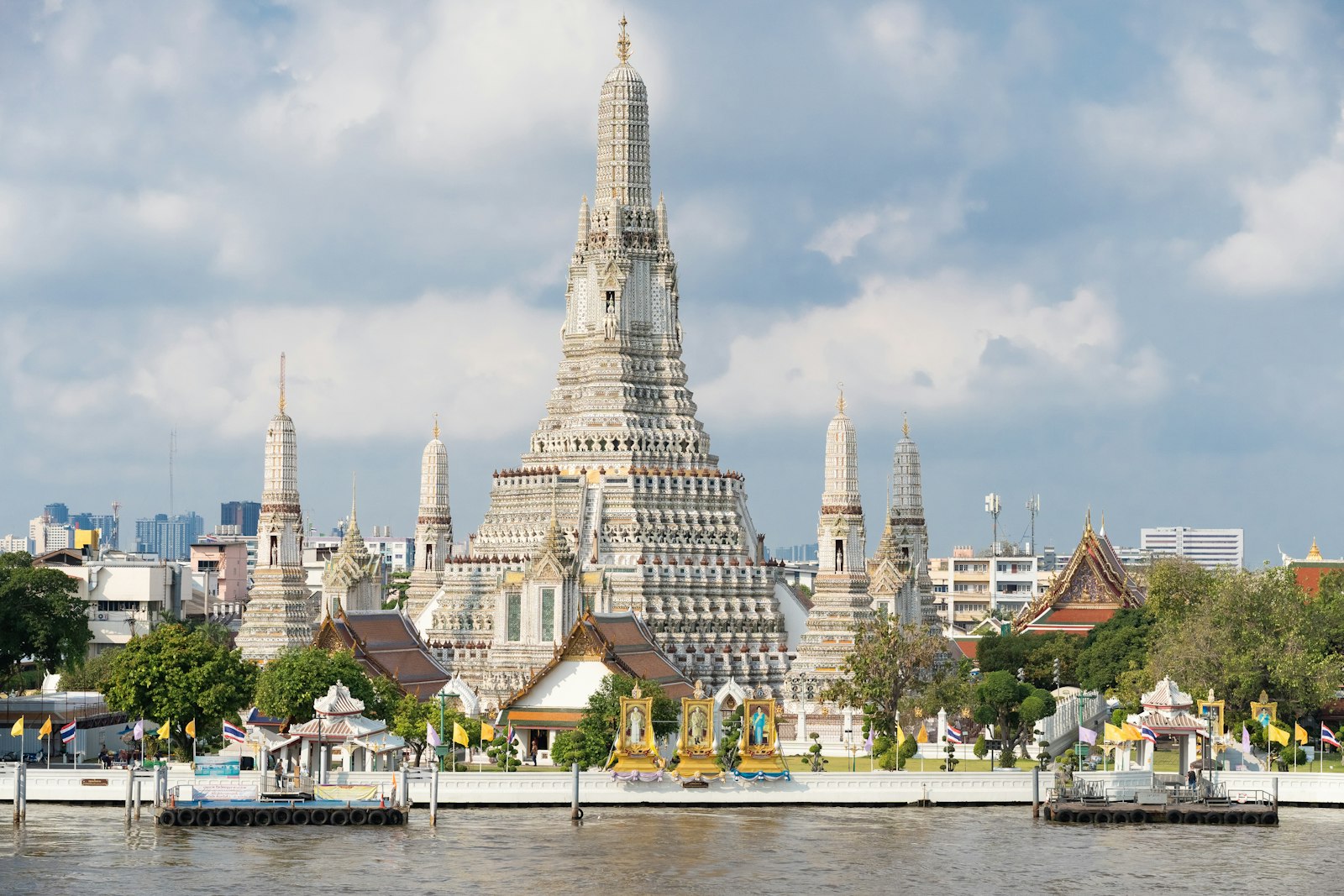
Thailand remains one of the most popular long-haul escapes for Canadians, especially during our winter, when Bangkok is warm, the north is cool and dry, and the Andaman beaches are at their best. The entry rules changed in September 2026, however, so anyone who visited in the past couple of years should not assume the old allowances still apply. This guide explains the current visa exemption for Canadians, the Thailand Digital Arrival Card, the best time to visit, and where to stay in Bangkok, Chiang Mai, Phuket and Krabi.
Thailand visa rules for Canadians in 2026
Until recently, Canadians and many other nationalities could stay in Thailand visa-free for up to 60 days. That program has now ended. According to reports from Envoy Global and VisasNews, Thailand published new rules in the Royal Gazette on August 31, 2026, and from September 15, 2026 visa-exempt visitors from 60 countries and territories, including Canada, are admitted for up to 30 days for tourism.
- Travellers admitted before September 15, 2026 keep the length of stay stamped on entry.
- VisasNews reports that a one-time extension of up to 30 more days may be requested, subject to approval by Thai immigration.
- Entries by land border are generally limited to two per calendar year under the new rules.
If you plan to stay longer than 30 days, look into applying for a visa through Thailand’s official e-visa system before you leave Canada rather than relying on an extension. Requirements such as passport validity, proof of onward travel and proof of funds can be checked at the border, so carry your return or onward ticket and accommodation details. Rules are changing quickly, so check travel.gc.ca before you go and confirm with the Royal Thai Embassy in Ottawa or a Thai consulate in Canada.
Thailand Digital Arrival Card (TDAC)
Since May 1, 2025, foreign visitors entering Thailand by air, land or sea must complete the Thailand Digital Arrival Card online. Submit it online no more than 72 hours (three days) before you arrive. Use only the official site, tdac.immigration.go.th. Lookalike websites that charge a “processing fee” have been widely reported, and you do not need an agent to fill it in. Save or screenshot your confirmation in case you are asked for it.
Getting there from Canada
Most Canadians reach Bangkok with one connection, usually through a hub in East Asia, the Middle East or Europe, from YVR, YYZ, YUL or YYC. From Bangkok, domestic flights and overnight trains reach Chiang Mai, while short domestic flights connect to Phuket and Krabi. If your main goal is the beach, compare tickets that end directly in Phuket instead of Bangkok, which can save a day of transfers. Schedules change often, so check current routings with your airline.
Best time to visit Thailand
Thailand has three broad seasons, and they line up nicely with Canadian holidays. The cool, dry months are the most comfortable and most in demand.
| Period | Weather | Good for |
|---|---|---|
| November to February | Cooler and drier in Bangkok and the north; calm seas on the Andaman coast | First trips, beaches in Phuket and Krabi, trekking around Chiang Mai |
| March to May | Hot season, with very high temperatures in Bangkok and the north; Songkran water festival in April | Festival lovers and travellers who handle heat well |
| June to October | Rainy season, usually heavy afternoon showers; rougher seas on the Andaman side | Green landscapes, fewer crowds, better hotel availability |
The Christmas, New Year and March-break periods are especially busy with Canadian travellers. If you want the best beach areas at those times, book well ahead.
Where to stay in Thailand
A classic two-week first trip combines three or four nights in Bangkok, three or four in Chiang Mai, and the rest on the Andaman coast in Phuket or Krabi. Here is how the main areas compare.
| Destination | Area | Best for |
|---|---|---|
| Bangkok | Sukhumvit | First-timers who want BTS Skytrain access, restaurants and nightlife |
| Bangkok | Riverside (Chao Phraya) | River views, boat access to the Grand Palace and temples, a more relaxed pace |
| Bangkok | Silom and Sathorn | Business hotels, Lumphini Park, rooftop bars and easy transit |
| Bangkok | Siam | Shopping malls and a central location on the Skytrain |
| Chiang Mai | Old City | Walking to temples, markets and cafés inside the historic moat |
| Chiang Mai | Nimmanhaemin | Trendy cafés, restaurants and a younger crowd |
| Phuket | Kata and Karon | Families and couples who want good beaches without the biggest crowds |
| Phuket | Patong | Nightlife and action, but noisy and busy |
| Krabi | Ao Nang | Convenient base for boat trips to islands and Railay |
| Krabi | Railay | Dramatic limestone cliffs, rock climbing and a car-free feel, reached by boat |
Phuket or Krabi?
Phuket is a large island with an international airport, many beaches and the widest choice of accommodation. Krabi feels more laid back, with spectacular scenery around Ao Nang and Railay and easy island-hopping. If you only have a few beach nights, choose one rather than splitting your time.
Suggested two-week itinerary
- Days 1 to 4, Bangkok: Grand Palace and Wat Pho, a river ferry ride, markets and street food. Keep the first day light to deal with jet lag.
- Days 5 to 8, Chiang Mai: Old City temples, night markets, a cooking class and a day in the hills. Choose ethical elephant sanctuaries that do not offer riding.
- Days 9 to 14, Phuket or Krabi: beach time, island boat tours and a final night near the airport if your flight home is early.
Bangkok, Chiang Mai or the islands first?
Order your stops around your flights. If you land in Bangkok, it makes sense to start there, head north to Chiang Mai, then fly south to finish on the beach so the end of the trip is pure rest. If your ticket lands in Phuket, reverse the route. Avoid backtracking: domestic flights are quick, but every transfer day eats into a short 30-day stay, so two or three bases are plenty for a two-week holiday.
Practical tips
- Dress for temples: cover shoulders and knees at temples and the Grand Palace.
- Keep your papers handy: carry your passport, TDAC confirmation and return ticket in your hand luggage, not in your checked bag.
- Use official transport: use airport taxi queues, ride-hailing apps or hotel transfers rather than touts.
- Sun and heat: drink plenty of water and plan outdoor sightseeing for mornings and late afternoons.
- Health: visit a travel clinic in Canada a few weeks before departure to review recommended vaccines.
- Insurance: buy travel medical insurance; provincial plans cover very little abroad, and scooter accidents are a common cause of claims.
Ready to compare prices? Check hotels and flights for your dates on Expedia.
Bottom line
Thailand is still an easy, rewarding trip from Canada, but the rules have tightened. From September 15, 2026, Canadians get up to 30 days visa-free, and everyone must file the free Thailand Digital Arrival Card within 72 hours of arrival. Go between November and February for the best weather, base yourself in Sukhumvit or the riverside in Bangkok, the Old City in Chiang Mai, and Kata, Ao Nang or Railay on the coast. Check travel.gc.ca before you go and book your hotels early for peak season.
Frequently asked questions
How long can Canadians stay in Thailand without a visa?
From September 15, 2026, Canadians are admitted visa-free for up to 30 days for tourism, down from the previous 60 days. Reports say a one-time extension of up to 30 days may be requested from Thai immigration. Check travel.gc.ca and the Royal Thai Embassy before travelling.
What is the Thailand Digital Arrival Card?
The TDAC is a mandatory online arrival form for foreign visitors, required since May 1, 2025. All foreign visitors must complete it within 72 hours before arriving. Use only the official site, tdac.immigration.go.th, and avoid lookalike sites that charge fees.
What is the best time to visit Thailand from Canada?
November to February is the most comfortable period, with cooler, drier weather in Bangkok and Chiang Mai and calm seas around Phuket and Krabi. March to May is very hot, and June to October is the rainy season, with fewer crowds and greener scenery.
Where should I stay in Bangkok on a first trip?
Sukhumvit is the easiest base for first-timers thanks to Skytrain access and plenty of restaurants. The riverside area suits travellers who want calmer evenings and boat access to major temples, while Silom, Sathorn and Siam are central and well connected.
Related guides
- Bali from Canada: Visa on Arrival, Areas and Tips
- Flights from Canada to India: Routes, Airlines and Tips
- India e-Visa for Canadians: How to Apply in 2026
- Hotel booking mistakes that cost you money
Entry rules, prices and schedules change often. Always check travel.gc.ca and official sources before you go. Sources: Thailand Reduces Visa-Exempt Stay Periods Starting September 2026 – Envoy Global, Thailand to officially cut visa-free stay to 30 days on September 15, 2026 – VisasNews, Thailand Digital Arrival Card – Wikipedia.
Find hotels in Thailand
Search hotels and flights for your dates and book securely on Expedia.
Booking Hotel may earn a commission from Expedia at no extra cost to you. Learn more.
