
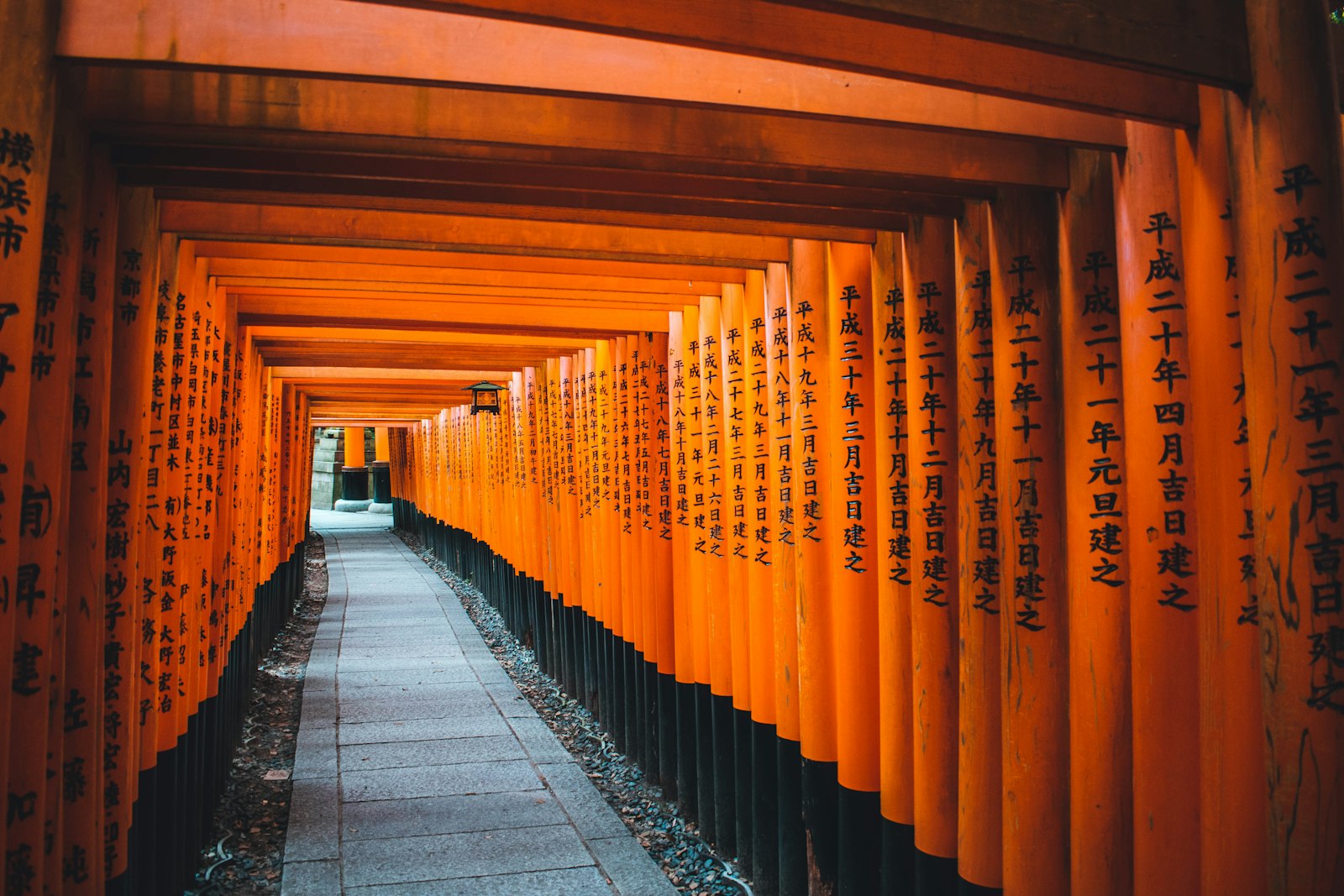
Japan is one of the easiest long-haul trips a Canadian can take. Trains run on time, cities are safe and walkable, and the food alone justifies the flight. For a first visit, most travellers build the trip around the classic Tokyo, Kyoto and Osaka triangle, then add a side trip or two. This Japan from Canada travel guide covers the entry rules for Canadian passport holders, the best seasons to go, which neighbourhoods to book in each city, and whether the Japan Rail Pass still makes sense after its big price change.
Entry rules for Canadians
According to the Consulate-General of Japan in Toronto, holders of a valid Canadian passport do not need a visa to visit Japan for up to 90 days for tourism or short-term business. Paid work of any kind is not covered by that allowance. Japan does not officially require six months of passport validity, but the consulate strongly recommends that your passport be valid for the entire length of your stay. If you are travelling on a temporary or emergency passport, contact the consulate before you book.
Remember that the final decision to admit you is made by the immigration officer at the airport. Have your accommodation addresses and return flight details handy. Rules can change, so check travel.gc.ca before you go and confirm the details with the Embassy of Japan in Canada or one of its consulates.
Higher departure tax from July 2026
Japan’s International Tourist Tax rose from 1,000 yen to 3,000 yen on July 1, 2026, according to the Japan National Tourism Organization’s Canadian site. It is charged when you leave Japan and, in most cases, is already built into the price of your return ticket, so you normally do not need to pay it separately.
Getting there from Canada
Air Canada lists flights from Vancouver (YVR), Toronto (YYZ) and Montreal (YUL) to Tokyo, using both Narita (NRT) and Haneda (HND) depending on the city, plus Vancouver to Osaka Kansai (KIX). Calgary, Edmonton and Ottawa also appear on its Canada-to-Japan route list. Schedules and nonstop status vary by season, so check the specific date you want. Japanese carriers and other partners also serve Canada, and connecting via a US hub is another option.
A practical tip for a first trip: consider an “open-jaw” ticket. Fly into Tokyo and home from Osaka Kansai (or the reverse) so you never have to backtrack across the country. When you compare fares, also check which Tokyo airport you land at. Haneda is much closer to central Tokyo than Narita, which can save you time on arrival day.
Best time to visit Japan
There is no bad season in Japan, but each one changes the trip. Spring and autumn are the most popular for first-timers and fill up early. Summer is hot and humid with a rainy season in the early part, while winter is cold and clear in Tokyo and snowy in the mountains and the north.
| Season | What to expect | Booking tip |
|---|---|---|
| Spring (March to May) | Cherry blossom season, usually late March to early April in Tokyo and Kyoto; mild weather | Book hotels several months ahead; avoid Golden Week (late April to early May) if you dislike crowds |
| Summer (June to August) | Rainy season in June and early July, then heat and humidity; summer festivals and fireworks | Plan indoor options and early-morning sightseeing |
| Autumn (September to November) | Comfortable temperatures and autumn colours, peaking in Kyoto around November; typhoons possible in early autumn | Popular with Canadians around Thanksgiving; book Kyoto early |
| Winter (December to February) | Cold, often sunny in Tokyo; snow in Hokkaido and the Japanese Alps; illuminations in the cities | Good value outside the New Year holiday period |
A classic first-trip route
For a 10 to 14 day trip, a simple and proven plan is five or six nights in Tokyo, three or four nights in Kyoto and two or three nights in Osaka. Kyoto and Osaka are close enough that you could stay in one and day-trip to the other, but most travellers enjoy changing base. From Kyoto or Osaka, Nara is an easy half-day or full-day trip, and Hiroshima with Miyajima is a longer but rewarding day by Shinkansen.
Arrive with a loose plan rather than a minute-by-minute schedule. Jet lag from Canada is real, especially from the east coast, so keep your first day light. Leave room in Tokyo for wandering neighbourhoods rather than ticking off every sight.
Where to stay in Tokyo, Kyoto and Osaka
Location matters more than room size in Japan, where city hotel rooms tend to be compact. Pick a base near a major train or subway station so every day starts with an easy commute.
| City | Area | Best for |
|---|---|---|
| Tokyo | Shinjuku | First-timers who want transport links, nightlife and lots of hotel choice |
| Tokyo | Shibuya | Shopping, cafés and a younger, energetic feel |
| Tokyo | Ginza and Tokyo Station | Easy Shinkansen departures, upscale shopping, quieter evenings |
| Tokyo | Asakusa and Ueno | Traditional atmosphere, temples and museums, often better value |
| Kyoto | Kyoto Station area | Convenience for day trips and arriving by train |
| Kyoto | Downtown (Kawaramachi and Gion) | Walking to restaurants, old streets and evening strolls |
| Osaka | Namba and Dotonbori | Street food, nightlife and the city’s famous neon |
| Osaka | Umeda (Osaka Station) | Rail connections, department stores and day trips |
For at least one night, consider a ryokan, a traditional inn with tatami rooms, an onsen-style bath and often a multi-course dinner. They are found in Kyoto and in hot-spring towns such as Hakone, which is an easy stop between Tokyo and Kyoto.
Is the Japan Rail Pass still worth it?
The Japan Rail Pass changed significantly on October 1, 2023. JNTO’s Canadian site lists the new adult prices for the Ordinary (standard class) pass as 50,000 yen for 7 days, 80,000 yen for 14 days and 100,000 yen for 21 days. The Green (first class) pass is 70,000, 110,000 and 140,000 yen. Those were large increases over the old prices.
The pass still does not include the fastest Nozomi and Mizuho Shinkansen trains on the main line, but you can now ride them by buying an additional supplementary ticket. JNTO gives examples such as 4,960 yen extra between Tokyo and Kyoto.
For a simple Tokyo, Kyoto and Osaka trip, the pass is often harder to justify than before. Add up your planned long-distance journeys using point-to-point fares and compare the total with the pass price. It tends to pay off when you add long legs such as Hiroshima, northern Honshu or Kyushu within the same seven days. For local travel, a rechargeable IC transit card is usually the easiest way to ride subways and buses.
Practical tips for Canadian travellers
- Cash still matters: cards are widely accepted in cities, but smaller restaurants, shrines and rural shops may be cash only. Convenience-store ATMs generally work with foreign cards.
- Stay connected: an eSIM or pocket Wi-Fi makes maps and train apps easy. Set it up before leaving Canada.
- Luggage forwarding: hotels and convenience stores can send big suitcases ahead to your next hotel, which makes train travel much easier.
- Etiquette: keep phone calls off trains, queue on the platform markings, and remove shoes where asked, especially in ryokan and some restaurants.
- Book popular sights ahead: some museums, observation decks and themed attractions use timed tickets that sell out in peak seasons.
- Travel insurance: provincial health plans cover little or nothing abroad, so buy medical coverage before you leave.
Ready to compare prices? Check hotels and flights for your dates on Expedia.
Bottom line
Canadians can visit Japan visa-free for up to 90 days, so the main decisions are when to go and where to base yourself. Spring and autumn are the classic first-trip seasons but book fast, while winter and early summer can mean fewer crowds. Split your nights between Tokyo, Kyoto and Osaka, stay near a major station, and do the maths before buying a JR Pass now that its price has risen. Check travel.gc.ca before you go, then book your hotels early.
Frequently asked questions
Do Canadians need a visa to visit Japan?
No. According to the Consulate-General of Japan in Toronto, valid Canadian passport holders can visit Japan without a visa for up to 90 days for tourism or short-term business, as long as they do no paid work. Check travel.gc.ca and the consulate before you go, since rules can change.
How long should my passport be valid for Japan?
Japan does not officially require six months of validity, but the Japanese consulate strongly recommends that your passport be valid for the entire duration of your visit. If you have a temporary or emergency passport, contact the consulate before travelling to confirm it will be accepted.
How much is the Japan Rail Pass now?
Since October 1, 2023, the adult Ordinary pass costs 50,000 yen for 7 days, 80,000 yen for 14 days and 100,000 yen for 21 days, according to JNTO. Green Car passes cost more. Nozomi and Mizuho trains need an extra supplementary ticket.
What is the best area to stay in Tokyo for a first trip?
Shinjuku is the most popular first-timer base because of its huge station, transport links and choice of hotels. Shibuya suits shoppers and nightlife fans, the Tokyo Station and Ginza area is ideal for early Shinkansen departures, and Asakusa or Ueno offer a more traditional feel.
Related guides
- Bali from Canada: Visa on Arrival, Areas and Tips
- Flights from Canada to India: Routes, Airlines and Tips
- India e-Visa for Canadians: How to Apply in 2026
- Hotel booking mistakes that cost you money
Entry rules, prices and schedules change often. Always check travel.gc.ca and official sources before you go. Sources: Visiting Japan – Consulate-General of Japan in Toronto, Changes are coming to the Japan Rail Pass – JNTO Canada, Japan’s International Tourist Tax is increasing – JNTO Canada, Flights from Canada to Japan – Air Canada.
Find hotels in Japan
Search hotels and flights for your dates and book securely on Expedia.
Booking Hotel may earn a commission from Expedia at no extra cost to you. Learn more.
