
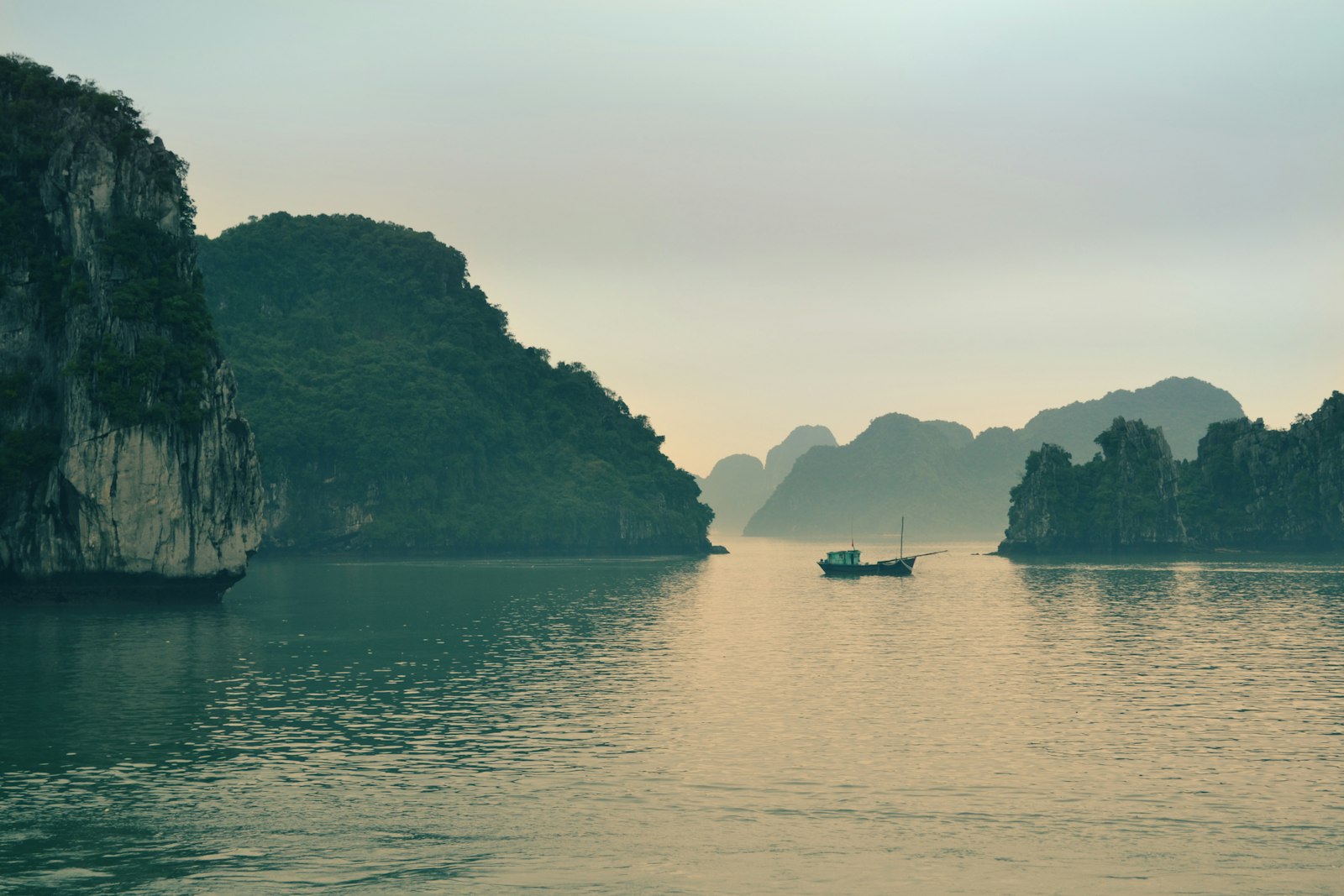
Vietnam rewards travellers who like variety. In two or three weeks you can go from the lakes and street food of Hanoi to the limestone karsts of Ha Long Bay, the lantern-lit lanes of Hoi An and the motorbike energy of Ho Chi Minh City. For Canadians the one essential piece of admin is the visa: unlike some European nationalities, Canadians cannot enter Vietnam visa-free and need an e-visa. This guide explains how the official e-visa works, lays out a north-to-south itinerary, and suggests where to stay in each stop.
Vietnam e-visa for Canadians
Canada is not on Vietnam’s list of visa-exempt countries, so Canadian passport holders need a visa before travelling. The simplest route is the Vietnamese government’s e-visa, which is available to citizens of all countries. According to Vietnamese reports and travel guidance checked in 2026, the e-visa:
- is valid for up to 90 days;
- can be issued for single or multiple entry;
- costs US$25 for single entry and US$50 for multiple entry, paid online and non-refundable if the visa is refused;
- usually takes about three working days to process, though it is wise to apply well ahead.
Apply only on the official portal, evisa.gov.vn. Many lookalike sites act as intermediaries and add their own fees. Upload a clear passport photo page and portrait photo, enter your planned entry date and port of entry exactly, and double-check every detail against your passport, since errors can lead to refusal at the border. Print or save the approved e-visa and carry it with you.
Vietnam has dozens of airports, land borders and seaports that accept e-visas, including the major international airports in Hanoi, Da Nang and Ho Chi Minh City. Make sure your passport has plenty of validity and blank pages. Rules can change, so check travel.gc.ca before you go and confirm with the Embassy of Vietnam in Canada.
Getting there from Canada
Most Canadians fly to Vietnam with one connection from YVR, YYZ, YUL or YYC, often via a hub in East Asia. For a north-to-south trip, the smartest ticket is usually an open-jaw: fly into Hanoi (HAN) and home from Ho Chi Minh City (SGN), or the reverse. Between cities, domestic flights are the fastest option, while the Reunification Express railway is slower but scenic, especially on the stretch between Hue and Da Nang. Check current routes with your airline before booking.
When to go
Vietnam is long and narrow, so the weather varies a lot from north to south. There is rarely a month when the whole country is perfect, but spring (roughly February to April) and autumn are good compromises for a full-length trip. The north is cool and sometimes grey in winter, central Vietnam gets its heaviest rain in the autumn, and the south is hot year-round with a dry season in the winter months. Tet, the Lunar New Year, is a major holiday: transport and hotels book up and some businesses close, so plan around it or book very early.
North-to-south itinerary
This two-and-a-half-week route covers the highlights without rushing. Shorten it by skipping Hue or Ninh Binh, or stretch it with a few days in the Mekong Delta or a beach stop.
| Days | Stop | Highlights | Getting to the next stop |
|---|---|---|---|
| 1 to 3 | Hanoi | Old Quarter, Hoan Kiem Lake, Temple of Literature, street food | Road transfer to Ninh Binh |
| 4 to 5 | Ninh Binh | Boat trips through karst scenery, cycling between rice fields | Road transfer to Ha Long Bay |
| 6 to 7 | Ha Long Bay or Lan Ha Bay | Overnight cruise, kayaking, caves | Return to Hanoi, fly to Hue |
| 8 to 9 | Hue | Imperial Citadel, royal tombs, Perfume River | Train or road over the Hai Van Pass |
| 10 to 13 | Hoi An and Da Nang | Ancient Town, tailors, An Bang beach, Marble Mountains | Fly from Da Nang to Ho Chi Minh City |
| 14 to 16 | Ho Chi Minh City | District 1, War Remnants Museum, markets, Cu Chi Tunnels | Day trip or overnight to the Mekong Delta |
| 17 | Mekong Delta | Floating markets, canals and orchards | Return to Ho Chi Minh City for your flight home |
If you apply for a single-entry e-visa, make sure your whole trip fits inside the dates you request. If you plan a side trip to Cambodia or Laos and then return to Vietnam, choose the multiple-entry option.
Where to stay in Vietnam
Accommodation in Vietnam ranges from family-run guesthouses to large international resorts. These areas make the best bases for a first visit.
Hanoi
The Old Quarter is the classic first-timer base, with street food, cafés and sights on your doorstep, though it is busy and noisy. The streets around Hoan Kiem Lake are a little calmer while still central. For a quieter, more residential feel, look at Tay Ho (West Lake).
Ha Long Bay
Most visitors sleep on an overnight cruise rather than on land. Compare cruises that go to quieter parts of the bay, such as Lan Ha Bay, and check what is included before you book.
Hue
Stay on the south bank of the Perfume River for restaurants and walking access to the riverside, or near the Citadel for an early start at the main sights.
Hoi An and Da Nang
Book in or near Hoi An’s Ancient Town to enjoy the lanterns at night, or choose An Bang or the rice-field areas outside town for a more relaxed stay with bicycles. Da Nang’s long beachfront suits travellers who want resort-style hotels and quick airport access.
Ho Chi Minh City
District 1 is the most convenient base for sightseeing, restaurants and rooftop bars. District 3 is close by, leafier and a little calmer, while Thao Dien in Thu Duc is popular with expats and has a more laid-back café scene.
Practical tips
- Crossing the street: walk at a steady pace and let motorbikes flow around you; do not dart or stop suddenly.
- Getting around cities: ride-hailing apps are widely used and avoid fare disputes.
- Book cruises carefully: read recent reviews and confirm the route, cabin type and transfers from Hanoi before paying.
- Money: carry some Vietnamese dong in cash for markets, street food and smaller guesthouses.
- Tailoring in Hoi An: order early in your stay to leave time for fittings.
- Health and insurance: visit a travel clinic in Canada before departure and buy travel medical insurance, especially if you plan to ride a motorbike.
Ready to compare prices? Check hotels and flights for your dates on Expedia.
Bottom line
Vietnam is a superb first trip to Southeast Asia for Canadians, as long as you sort out the visa first. Apply for the official e-visa at evisa.gov.vn, which allows stays of up to 90 days, and pick multiple entry if you plan side trips. Fly into Hanoi and out of Ho Chi Minh City, base yourself in the Old Quarter, Hoi An’s Ancient Town and District 1, and allow at least two weeks. Check travel.gc.ca before you go and book cruises and peak-season hotels early.
Frequently asked questions
Do Canadians need a visa for Vietnam?
Yes. Canada is not on Vietnam’s visa-exempt list, so Canadians need a visa. The easiest option is the official e-visa from evisa.gov.vn, valid for up to 90 days with single or multiple entry. Check travel.gc.ca and the Embassy of Vietnam before you travel.
How much does the Vietnam e-visa cost?
The government e-visa costs US$25 for a single entry and US$50 for multiple entries, paid online through the official portal. The fee is non-refundable if the visa is refused. Avoid third-party sites that look official but add their own service charges.
How long does the Vietnam e-visa take?
Processing usually takes about three working days, but delays happen around holidays such as Tet. Apply at least a couple of weeks before departure, double-check that every detail matches your passport, and print or save the approved e-visa to show on arrival.
How many days do I need for a north-to-south Vietnam trip?
Plan at least two weeks to cover Hanoi, Ha Long Bay, Hoi An and Ho Chi Minh City at a comfortable pace. With around 17 days you can add Ninh Binh, Hue and the Mekong Delta. Use domestic flights to cover the longest distances.
Related guides
- Bali from Canada: Visa on Arrival, Areas and Tips
- Flights from Canada to India: Routes, Airlines and Tips
- India e-Visa for Canadians: How to Apply in 2026
- Hotel booking mistakes that cost you money
Entry rules, prices and schedules change often. Always check travel.gc.ca and official sources before you go. Sources: Vietnam visa guide – Vietnamtourism.com, More detailed information about Vietnam’s e-visa – VnEconomy, Updated 2026: Visa-free countries for entry into Vietnam – Frontier Travel Vietnam.
Find hotels in Vietnam
Search hotels and flights for your dates and book securely on Expedia.
Booking Hotel may earn a commission from Expedia at no extra cost to you. Learn more.
